
Misconceptions about Consent by: Amanda Toomey
Consent is the invisible force that sustains a sense of respect and understanding in our relationships. The concept of consent can be presented very simply, but there are complex social nuances that influence how everyone navigates it. With the right discussions, consent can be simple enough to practice, yet expansive enough to consider everyone’s individual boundaries. Here, we dive into several misconceptions surrounding consent in relationships.
Misconception #1: Asking for consent will just make the situation awkward. 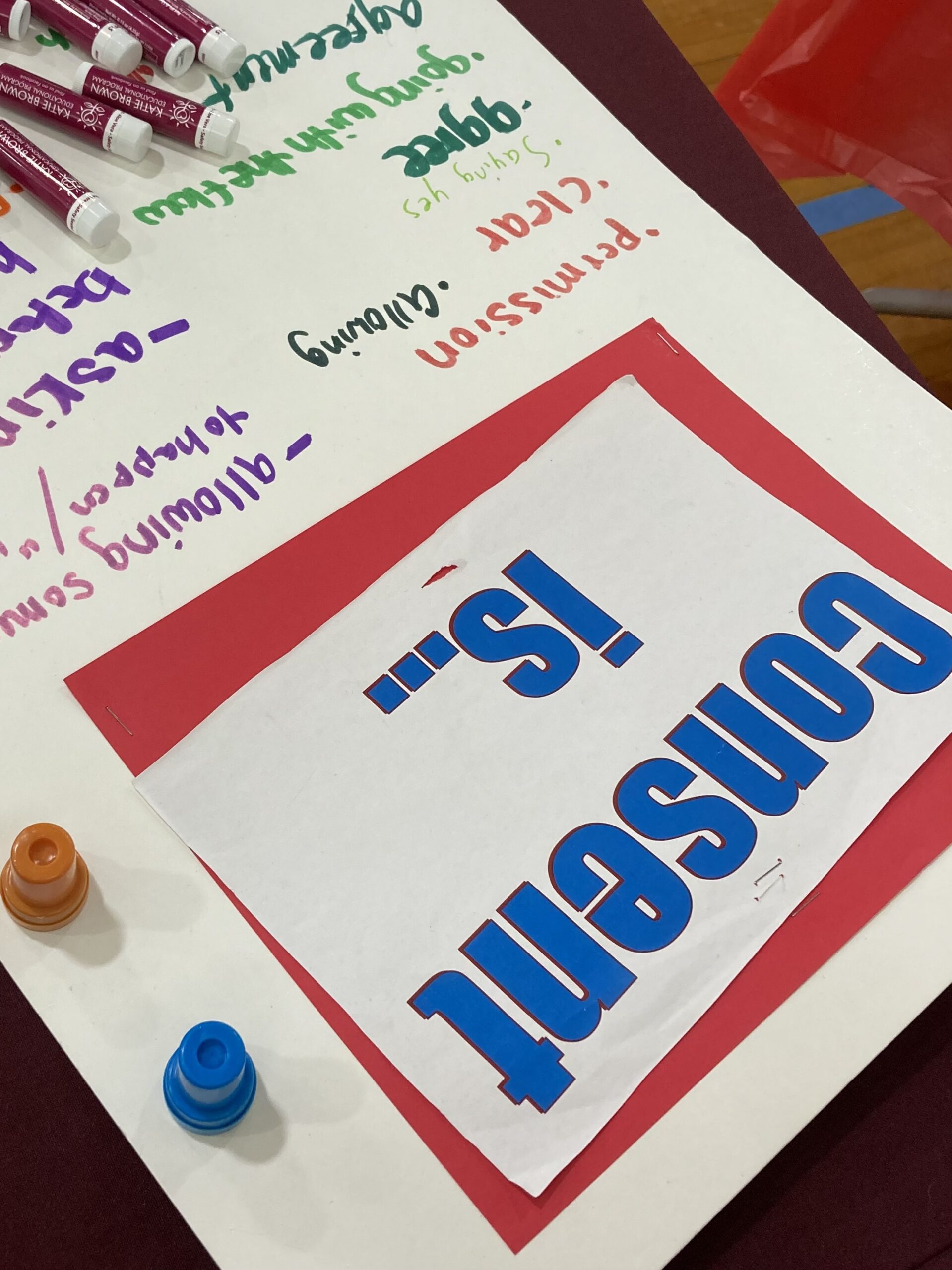
“If I ask, that’ll sound silly. Let me just go for it.” This thought process, while not malicious most of the time, is still harmful. While the feelings of awkwardness and nerves are valid, those can be intensified, rather than resolved, if there is a lack of clear consent. Asking for consent is always the best option. When this is reciprocated between partners, everyone feels respected and in control of choices surrounding their body.
Misconception #2: Once I am dating someone, consent should be a given.
Dating or other romantic relationships usually come with some level of bond and interest in one another. Sometimes that commitment can be falsely interpreted as an invitation to cross one’s boundaries or assume they no longer exist. That is why discussions of expectations in a relationship are so important. Dating can mean something completely different to everyone, and with that come unique ideals, comfort levels, and boundaries.
Misconception #3: Someone who says “no” is just “playing hard to get.”
The idea of someone “playing hard to get” can be seen in virtually any form of media: books, movies, tv shows, music. The protagonist might have a love interest who seems disinterested or unsure about pursuing a romantic relationship. This is then followed by a barrage of “never give up” or “you got this” comments from friends, leading to a misconstrued idea of the root of confidence. True personal confidence comes from the development of self-esteem and responsible actions – not from treating consent as a challenge to conquer. Though this trope is typically portrayed as lighthearted and romantic, the reality of the situation is far from. Not taking someone’s rejection of romance or affections seriously can lead to sexual violence.
Misconception #4: Consent is only important when it comes to sexual interactions.
When consent is woven into the fabric of our everyday lives, it becomes natural to ask permission before doing anything that might make someone feel uncomfortable or violated. Even something as simple as asking to take a French fry off your partner’s plate can be a small transaction of consent – one that most probably don’t think twice about. The more we practice asking for consent in all areas of life, the easier it becomes!