
How My MSW Journey Connects to My Work at KBEP: Mandolin Miller
In September, I went back to school! I have been studying for my Master of Social Work (MSW), and one of the things I have appreciated most about this experience is how often I find myself connecting what I am learning in grad school to the work I do at the Katie Brown Educational Program.
As a violence prevention educator, much of the work involves talking with students about healthy relationships, boundaries, consent, communication, emotional regulation, and what it means to feel safe and respected. Before starting graduate school, I understood the importance of these conversations through my experience working directly with students. Now, as I continue studying social work, I am gaining a deeper understanding of the larger ideas behind this work and why these conversations matter so much. 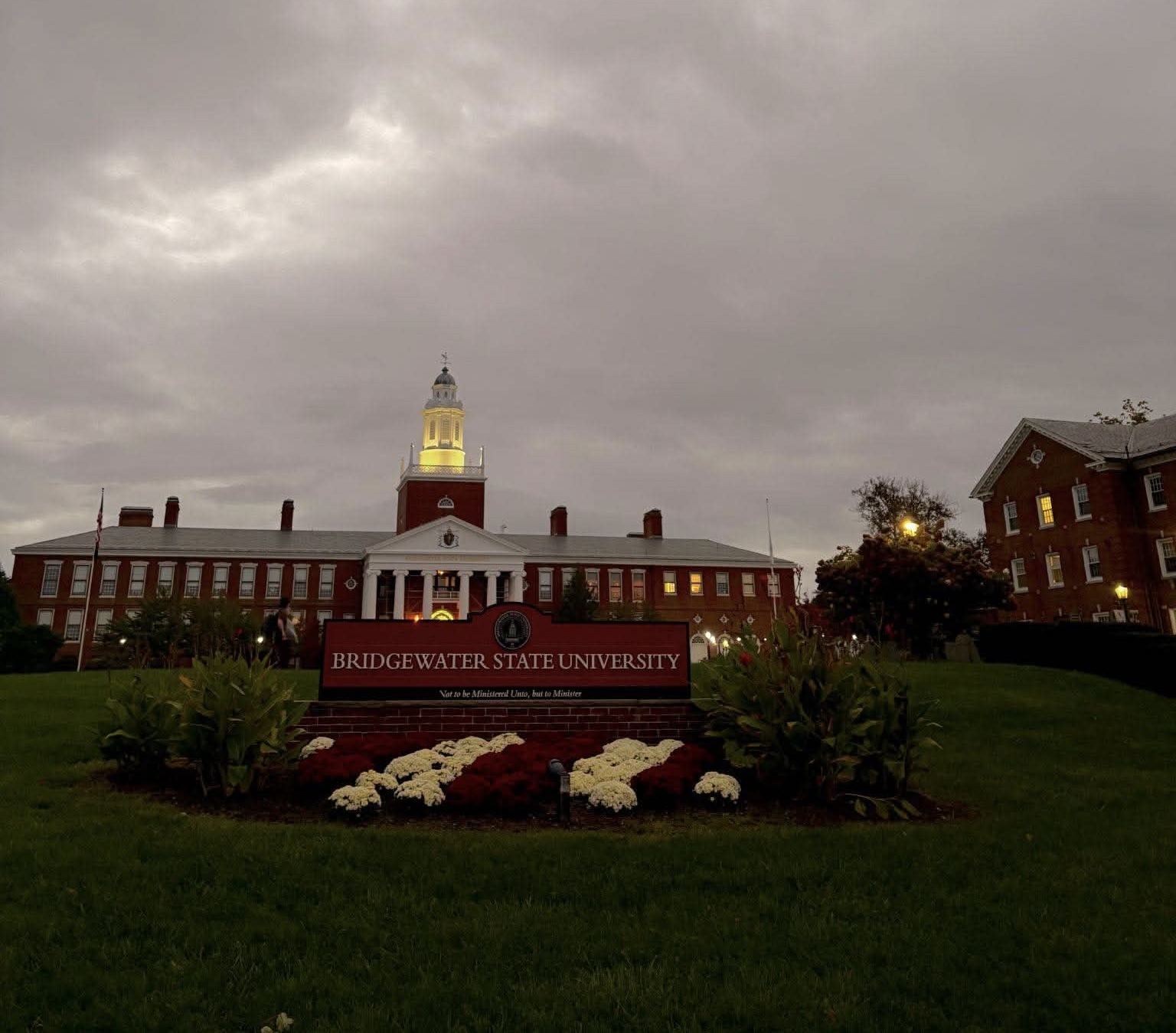
One of the biggest connections I have noticed is the importance of looking beyond individual behavior and understanding the environments people grow up in. In social work, we often talk about the person-in-environment perspective, which recognizes that people are shaped by their relationships, families, schools, communities, and the larger systems around them. When we talk with students about conflict, boundaries, or unhealthy relationship behaviors, we are not just talking about individual choices. We also explore the messages they receive from peers, families, social media, and the world around them.
For example, when we talk about jealousy, control, or victim-blaming, students are often bringing in ideas they have heard or experienced elsewhere. Rather than simply telling students what is right or wrong, our role is to create space for them to think critically, ask questions, and consider how their words and actions affect others. My MSW coursework has reinforced the importance of approaching these conversations with curiosity, patience, and an understanding that everyone brings different experiences to the room.
My graduate studies have also challenged me to think more about power, identity, privilege, and social justice. These conversations are important in violence prevention because issues like gender stereotypes, discrimination, and unequal power dynamics can influence how people understand relationships and how they treat one another. I have learned that prevention work is not just about teaching individuals to recognize unhealthy behaviors. It is also about challenging the larger messages and social norms that allow those behaviors to continue.
I think one of the most valuable parts of this experience has been learning to reflect on my own role in the work. Social work encourages us to be aware of our assumptions, recognize our biases, and remain open to feedback. In the classroom, it’s looked like listening more closely to a student’s perspective, reconsidering how I explain something when it is not connecting, or recognizing when I need to approach a conversation differently, or ask even just simply, “How are you feeling right now?” I am learning that being an effective educator does not mean having the perfect response to every question. Sometimes it means being willing to pause, listen, and learn alongside the students.
I also see the connection between social work and the importance of emotional safety. Alongside my work in prevention education, I have found opportunities to incorporate grounding, mindfulness, yoga, and sound healing into my work with students. These experiences have reminded me that learning is not just about what we say or what information we share. It is also about how people feel in the spaces where they are learning. Creating moments for students to slow down, reconnect with themselves, and feel present can be just as meaningful as the conversations we have.
I am grateful that my work at KBEP gives me the opportunity to put so much of what I am learning into practice. At the same time, the experiences I have with students continue to shape how I understand the material in graduate school. The questions students ask, the perspectives they share, and even the moments that challenge me often give me something new to think about when I return to the classroom. Violence prevention and social work are deeply connected. Both require us to look at the whole person, understand the environments that shape us, build meaningful relationships, and recognize the importance of creating communities where people feel safe, supported, and respected. As I continue my MSW journey, I hope to bring that learning into every classroom I enter and continue growing alongside the students and communities I have the privilege of working with.